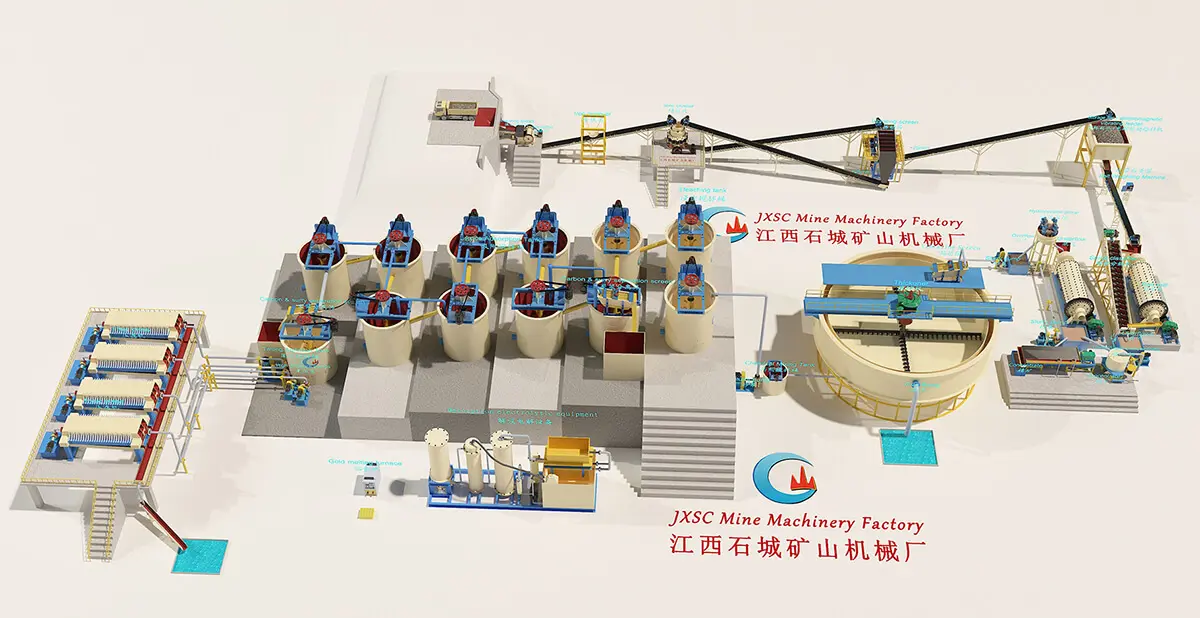
The basalt crushing plant is an integrated processing system that sequentially transforms raw volcanic rock into various aggregate sizes through multiple coordinated stages, including primary crushing (jaw/gyratory crushers), secondary/fine crushing (cone/impact crushers), precision sand making/shaping, graded screening, and material washing/sorting.
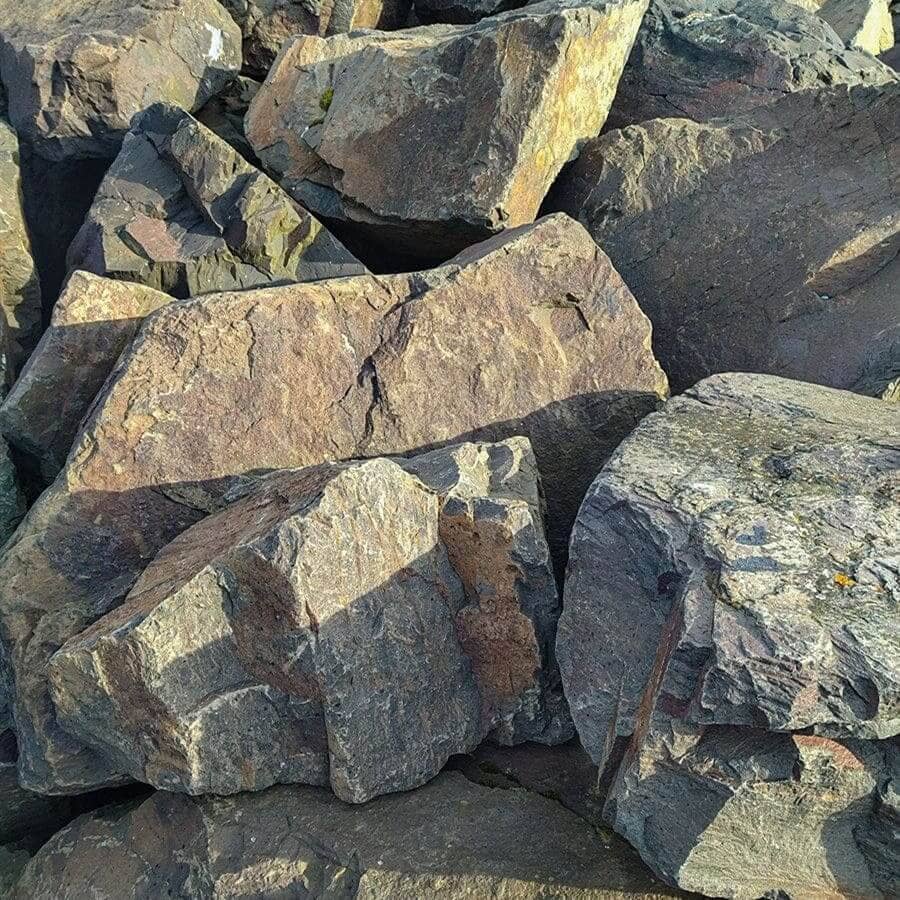
Basalt is a common extrusive igneous rock formed from the rapid cooling of low-viscosity lava rich in magnesium and iron (mafic composition), composing approximately 70% of Earth’s surface.
Key Characteristics
Color: Dark gray to black, sometimes brown or greenish.
Texture: Fine-grained (aphanitic), sometimes with visible olivine or plagioclase phenocrysts.
Mineral Composition: Primarily plagioclase feldspar (calcium-rich), pyroxene (augite), and olivine, with minor magnetite or ilmenite.
Density: ~2.8–3.0 g/cm³ (heavier than granite).
Hardness: 5-7 on the Mohs scale, comparable to high-grade steel.
Uses
Construction: Crushed stone for roads, railroad ballast, or as aggregate in concrete.
Dimension Stone: Polished for tiles/countertops.
Carbon Sequestration: Reacts with CO₂ to form stable minerals (enhanced weathering).
Types of Basalt
Type
Key Features
Typical Locations
Tholeiitic Basalt
Low potassium content, dominant in oceanic crust
Mid-Atlantic Ridge
Alkali Basalt
Rich in sodium & potassium, linked to hotspots
Hawaiian Volcanoes
Olivine Basalt
Abundant olivine crystals
Mount Emei Plateau
Columnar Basalt
Hexagonal cooling fractures
Giant’s Causeway, Ireland
Mineral Processing
Basalt Crushing Process
1. Feeding & Primary Crushing (Coarse Crushing)
Equipment: Feeder, Jaw Crusher (preferred) or Gyratory Crusher. Objective: Breaks large basalt rocks into smaller pieces. The jaw crusher handles large feed sizes efficiently with a high crushing ratio.
2. Secondary Crushing (Medium Crushing)
Equipment: Cone Crusher (best choice due to abrasive nature) or Impact Crusher (for softer basalt). Objective: Refines material to a more uniform size. The cone crusher handles hard, abrasive materials well with lower wear costs.
3. Tertiary Crushing (Fine Crushing)
Equipment: VSI Crusher (for sand-making) or Fine Cone Crusher. Objective: Produce high-quality sand and fine aggregates. The VSI crusher produces well-shaped, cubical aggregates for high-quality sand.
Equipment: Vibrating Screen, Multi-Deck Screen, or Fine Sand Recovery System. Objective: Separate crushed basalt into marketable fractions (e.g., 0-5mm, 5-10mm, 10-20mm). Fine Sand Recovery System reduces waste and boosts sand yield.
5. Washing & Sorting (Optional but Recommended)
Equipment: Wheel Sand Washer, Log/Spiral Washer, Dewatering Screen. Objective: Remove dust, clay, and impurities for cleaner final products.
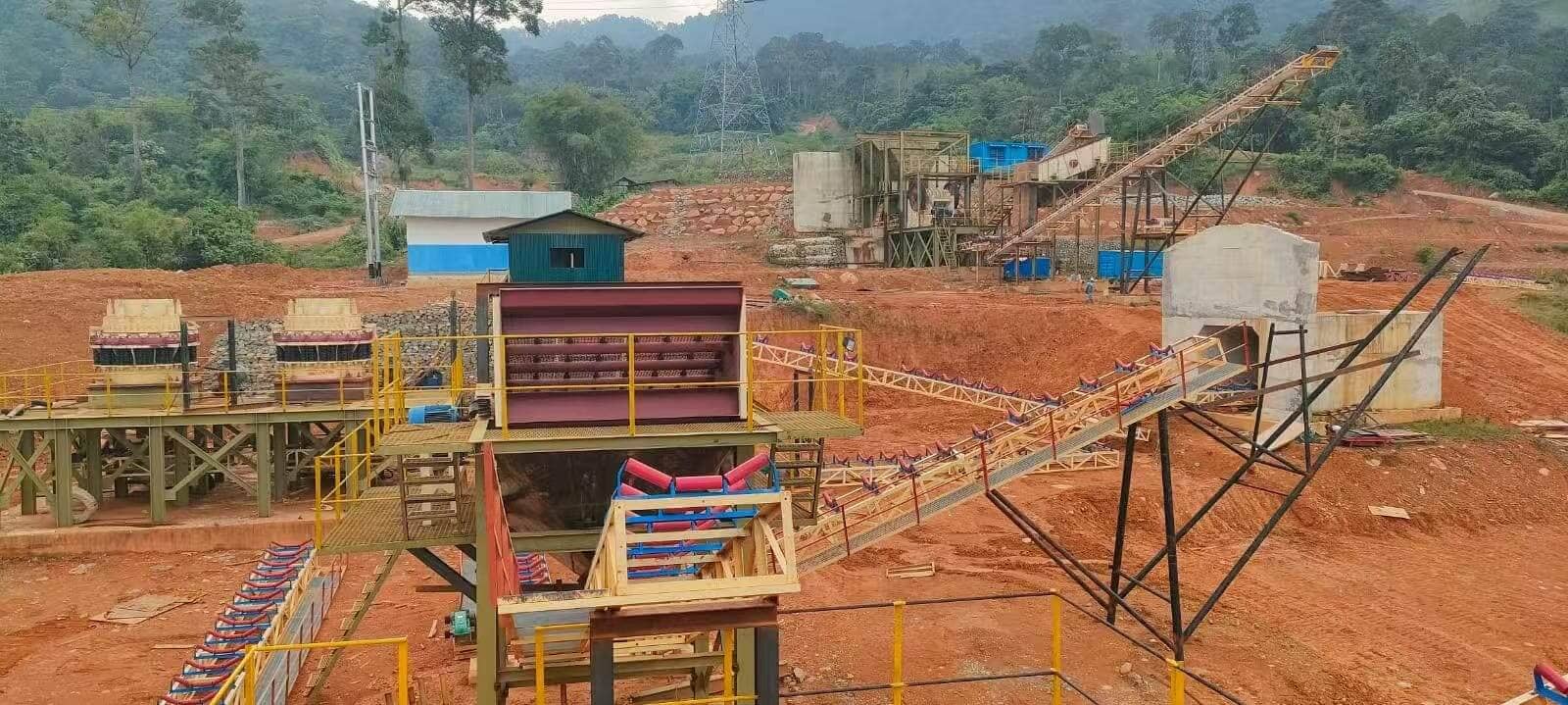
This setup is a 250 tph basalt crushing plant, it is configured with a vibrating feeder, jaw crusher, single cylinder hydraulic cone crusher, Simons cone crusher, vibrating screens, and belt conveyors.
A vibrating feeder can feed raw materials from the raw ore hopper to the jaw crusher evenly, The jaw crusher will crush the raw materials primarily, the output from the jaw crusher will be sent to a tunnel bin for buffering, and the materials from the tunnel bin will be sent to a single cylinder hydraulic cone crusher for secondarily crushing, then be sent to vibrating screens for sieving to different sizes, over 30mm materials will be returned to tertiary cone crusher for crushing again, the whole plant forms a closed loop.
This crushing plant is very suitable for various types of hard stones, like granite, river stone, pebbles, and marble….. The capacity for this crushing plant can be customized as per request, such as 100tph, 200tph, 300 tph, etc.