JXSC Mineral

JXSC provided a successful 12TPD(1TPH)  antimony processing plant in Pakistan in 2026. We designed the processing plant flowchart and plant layout drawing in accordance with the client’s requirements. We provided a complete set of plant machinery and sent an engineer to the mine site. The plant was installed this year.

EPCS

Engineering, Procurement & Construction Services

Case Study: Antimony Processing Plant Project

Project Overview

Minerals

Stibnite Antimony Ore

Capacity

1 TPH

Feed Size

≤150 mm

Location

Pakistan

Year

2026

Project Process

Solutions & Process

We designed a complete 1TPH stibnite antimony ore processing plant, including feeding, crushing, grinding and classification, flotation, concentrate thickening, and concentrate filtration systems.

Based on the customer’s raw ore characteristics and production requirements, the plant is designed to process stibnite antimony ore with a feed grade of 25%-40% Sb, producing a final antimony concentrate with a target grade of 60%+ Sb.

The crushing section is designed for a capacity of 2 TPH, operating approximately 10 hours per day, while the grinding and flotation section is designed for 1 TPH, operating approximately 20 hours per day.

The complete plant provides a practical solution for producing high-grade antimony concentrate from sulfide antimony ore.

Process Flowchart

1TPH Antimony Processing Plant in Pakistan flowchart

Process Design Solution

Based on the customer’s requirements for stibnite antimony ore, JXSC designed a complete processing flowchart and equipment configuration.

1. Feeding & Crushing System

The crushing system is designed with a capacity of 2 TPH and operates approximately 10 hours per day.

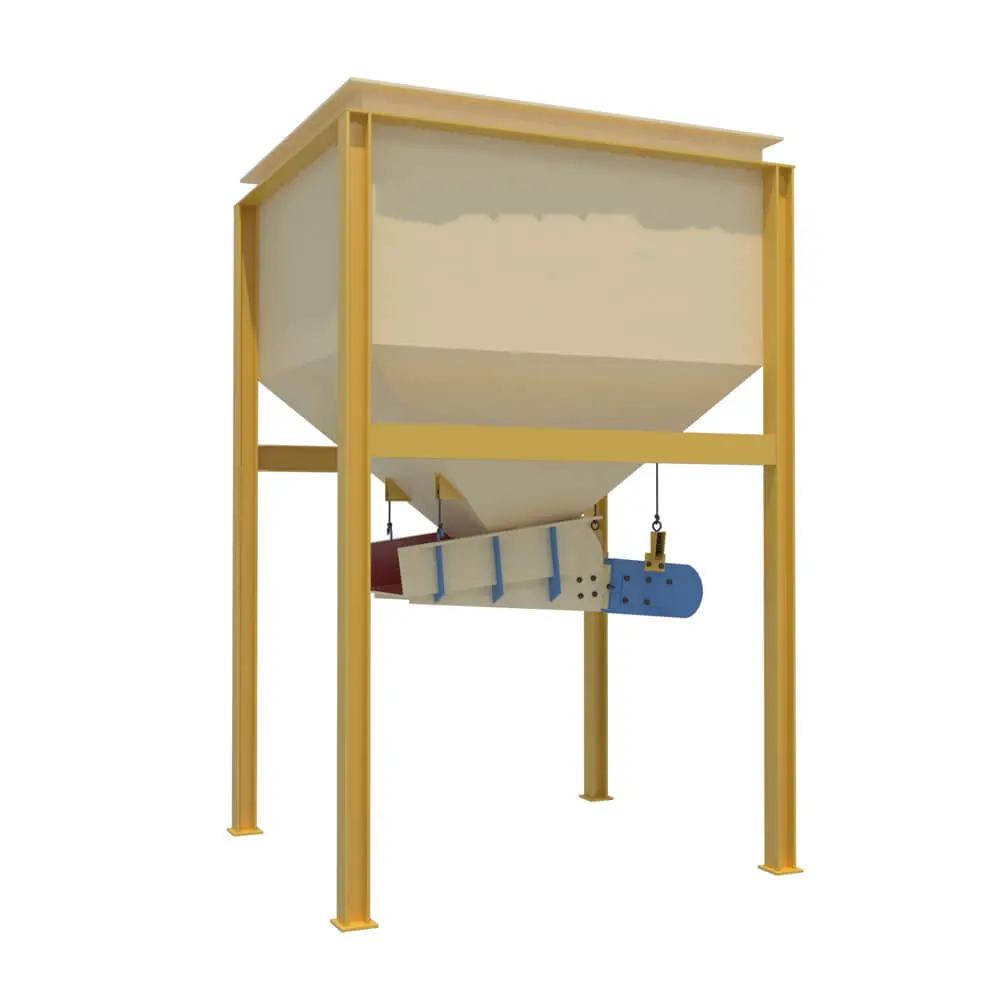
The main equipment includes a chute feeder, jaw crusher, hammer crusher, and belt conveyors.

The customer needs to control the raw ore feeding size to ≤150 mm before feeding the jaw crusher.

The raw stibnite ore is loaded into the raw ore hopper by an excavator or loader. The chute feeder then continuously and evenly feeds the ore into the jaw crusher.

The jaw crusher performs the primary crushing operation, reducing the ≤150 mm raw ore to approximately 0-50 mm.

The crushed material is then transported by belt conveyor to the hammer crusher. The hammer crusher performs secondary crushing, reducing the material from approximately 50 mm to 0-10 mm.

The final crushed material, approximately 0-10 mm, is transported by belt conveyor to the transfer bin for the grinding section.

This two-stage crushing process provides suitable feed material for the subsequent ball mill grinding operation.

3. Antimony Flotation System

After classification, the approximately 200-mesh antimony slurry is pumped to the mixing tank.

The mixing tank is used to thoroughly mix the ore slurry with the required flotation reagents before entering the flotation circuit.

The flotation circuit consists of:

  • Roughing flotation
  • Scavenging flotation
  • Cleaning flotation

During roughing flotation, the valuable stibnite particles are recovered into the antimony rougher concentrate.

The rougher tailings enter the scavenging flotation stage to recover additional antimony minerals and improve the overall antimony recovery.

The rougher concentrate is sent to the cleaning flotation stage. Through repeated cleaning, unwanted gangue minerals are further rejected, and the antimony concentrate grade is increased.

The flotation circuit can be adjusted according to the actual mineralogical characteristics, liberation size, reagent response, and laboratory test results of the customer’s ore.

With the designed flotation process, the target is to produce a final antimony concentrate with a grade of 60%+ Sb.

The actual concentrate grade and recovery should be confirmed by laboratory and pilot-scale beneficiation tests before final equipment sizing and commercial production.

2. Grinding & Classification System

The grinding and classification system is designed for approximately 1 TPH and operates 20 hours per day.

The main equipment includes an electromagnetic vibrating feeder, belt conveyor, ball mill, spiral classifier, slurry pump, and related auxiliary equipment.

The crushed 0-10 mm antimony ore is stored in the transfer bin and then continuously fed to the ball mill through an electromagnetic vibrating feeder and belt conveyor.

The ball mill grinds the stibnite ore into fine particles suitable for flotation. The target grinding fineness is approximately 200 mesh.

The discharge from the ball mill enters the spiral classifier for particle-size classification.

The coarse particles from the classifier underflow are returned to the ball mill for further grinding, while the fine particles in the classifier overflow are sent to the flotation section.

The ball mill and spiral classifier form a closed grinding circuit, allowing coarse particles to be continuously returned for regrinding while the qualified fine slurry proceeds to flotation.

The purpose of this grinding stage is to achieve sufficient mineral liberation so that the stibnite can be effectively recovered during flotation.

4. Antimony Concentrate Dewatering & Filtering System

The flotation concentrate contains a significant amount of water and therefore requires a dewatering system before storage, transportation, or sale.

The concentrate dewatering system consists mainly of a thickener and disc vacuum filter.

The flotation circuit pumps antimony concentrate to the thickener.

The thickener increases the concentrate slurry density to approximately 40%-45% solids while separating most of the clear water.

The thickener overflow is relatively clear water and can be collected in the clear-water pool for recycling back into the processing plant, helping reduce fresh-water consumption.

The thickener underflow is discharged as a higher-density antimony concentrate slurry and pumped to the disc vacuum filter.

The disc vacuum filter further removes water from the concentrate, producing a filtered antimony concentrate cake with significantly lower moisture content.

The final filtered product can then be collected, stored, packed, and transported according to the customer’s requirements.

1TPH Antimony Processing Plant in Pakistan
Tailings Treatment

The tailings generated from the flotation circuit can be pumped to the tailing dam through a slurry/tailing pump.

If required, a suitable tailings thickening, filtration, or dry-stacking system can also be added according to the customer’s environmental requirements and site conditions.

For this project, the basic design uses a tailing dam for tailings storage and settling.

Lime may be added to the tailings when appropriate as part of the site’s water and tailings management strategy. However, the actual reagent and tailings-treatment requirements should be determined according to the ore’s chemical characteristics, flotation reagents, local environmental regulations, and water-quality testing.

Main Equipment List

Product NameModelQTY(set)
Hopper / Bin2 m32
Electromagnetic Vibrating FeederGZ51
Electromagnetic Vibrating FeederGZ11
Jaw CrusherPE-150*2501
Belt ConveyorB500*10m3
Hammer CrusherPC-400*3001
Electrical Control Cabinet/4
Ball MillMQZ09181
Steel Balls 2 Tons
Spiral ClassifierFG-51
Submersible Pump40PV-SPR2
Submersible Pump40QV-SPR1
Slurry Agitation TankXB8002
Reagent Mixing TankXB7504
Flotation MachineSF-0.3716
Slurry Pump 40PV-SPR 2
 ThickenerNZS3.61
Disc Vacuum FilterPGT6-21
1TPH Antimony Processing Plant in Pakistan loading

We are a leading provider of innovative and efficient mining equipment and solutions. With years of experience in the industry, we specialize in designing and manufacturing high-quality machines tailored for various mineral processing needs, including gold, diamond, copper, tin, manganese, chrome, titanium,  and other ore separations. Our commitment to technology and customer satisfaction drives us to deliver customized solutions that enhance productivity and ensure environmentally sustainable practices. Explore our extensive portfolio of successful case studies and discover how JXSC can transform your mining operations, helping you maximize your profitability while minimizing your ecological footprint. Choose Us—where technology meets efficiency in the world of mining!

Scroll to Top